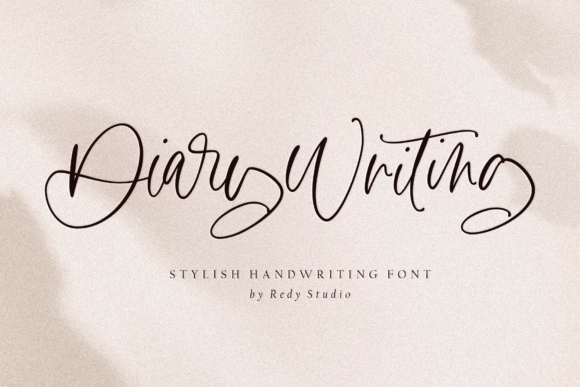
Diary Writing: A Handwritten Font for Editorial Charm
Diary Writing is a premium script font that brings a touch of elegance and personality to any editorial design. This versatile handwritten typeface is perfect for adding a personal, inviting feel to your content, whether it's a blog, magazine, ebook, or newsletter.
Visual Characteristics and Style
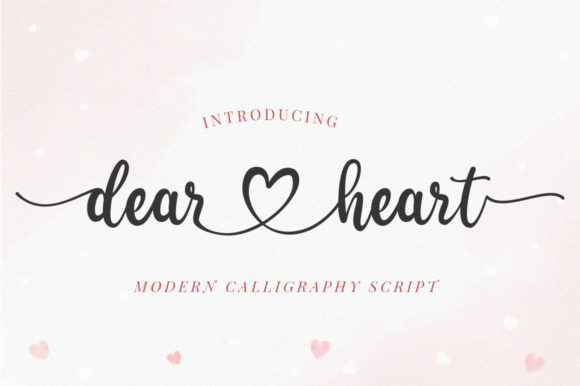
Diary Writing features flowing, cursive strokes that mimic the natural movement of handwriting. The font's fluid lines and gentle curves give it a warm, approachable quality, making it ideal for creating a friendly and engaging visual tone. Its unique style can help set the mood and establish a consistent brand identity across various publications.
Editorial Applications
One of the key strengths of Diary Writing is its versatility in editorial design. Here are some practical ways to use this font:
- Blog Headers: Use Diary Writing for blog post titles to create an inviting and personal feel. This can help draw readers in and make your content more relatable.
- Magazine Covers: Incorporate Diary Writing into magazine cover designs to add a touch of elegance and sophistication. It can be particularly effective for lifestyle, fashion, and creative magazines.
- Ebook Titles: For ebooks, especially those in the self-help, lifestyle, or creative non-fiction genres, Diary Writing can enhance the cover and chapter titles, making them visually appealing and memorable.
- Newsletter Graphics: Use Diary Writing for section headings, pull quotes, and featured snippets in newsletters. This can help break up the text and add visual interest, making the content more engaging.
- Quote Layouts: This font is perfect for designing quote graphics, which can be used as social media posts, blog images, or printables. The handwritten style adds authenticity and emotion to the quotes.
Supporting Visual Hierarchy and Reader Attention
Diary Writing is particularly well-suited for titles, subtitles, and section headings. Its distinct, eye-catching style can help guide the reader's attention and establish a clear visual hierarchy. When used in combination with a clean, readable serif or sans serif font for body copy, Diary Writing can create a balanced and harmonious layout.
Practical Examples
Imagine using Diary Writing for a lifestyle blog. The font can be used for the blog's logo, main headers, and section titles, giving the site a cohesive and personalized look. For a wedding guide, Diary Writing can add a romantic and elegant touch to the cover, chapter openers, and section headings, making the guide feel more special and thoughtful.
In a coaching workbook, Diary Writing can be used for motivational quotes, section titles, and callouts, enhancing the overall user experience and making the content more engaging. For a digital magazine, the font can be incorporated into the cover, feature article titles, and sidebar headings, adding a touch of creativity and flair.
Readability Considerations
While Diary Writing is highly effective for titles and headings, it may not be the best choice for longer passages of text. For body copy, consider pairing it with a clean, legible serif or sans serif font. This ensures that the content remains easy to read, even on screens and in print. Additionally, check the font's included styles, such as alternates and ligatures, to add variety and customization to your designs.
Font Pairing and Design Assets
To create a well-rounded and professional look, pair Diary Writing with complementary fonts. For example, a modern serif font like Merriweather or a clean sans serif like Lato can provide a good balance. This combination can be particularly effective for digital magazines, ebooks, and print materials, where readability and visual appeal are both important.
Commercial Licensing and Publication Identity
When using Diary Writing for commercial projects, such as ebooks, templates, printables, and client publications, ensure you have the appropriate commercial license. This is crucial for maintaining the integrity of your brand and avoiding any legal issues. With the right licensing, you can confidently use Diary Writing to build a strong and recognizable publication identity.
Overall, Diary Writing is a valuable asset for anyone looking to add a personal and elegant touch to their editorial designs. Its versatility and charm make it a go-to choice for creating visually appealing and engaging content across various publishing platforms.